LA VISTA, CO — The driver convicted in the crash that killed rising cyclist Magnus White was denied parole at her first hearing, according to family members who attended the proceedings. Yeva Smilianska, who is serving a four-year prison sentence, had asked for early release during a hearing Thursday at La Vista Correctional Facility.
White’s parents and friends urged the board to keep her in prison. They have long argued that the case was not handled as seriously as it could have been after the crash, and they said the denial of parole was the right outcome.
Smilianska describes the night before the fatal crash
During the hearing, Smilianska spoke about the hours before the July 2023 crash near Boulder that killed White. She said she had been at a friend’s house the night before and described the evening as involving singing, drinking and little sleep.
She told the parole board she should not have gotten behind the wheel because she was tired. Smilianska said she did not realize how exhausted she was when she drove, and she repeatedly said fatigue played a role in the crash.
When asked about the collision itself, she said she could not remember exactly what happened. She called the event traumatic and said her mind may be protecting her from the details.
Family says the case should have led to stronger consequences
White’s family has said for years that Smilianska should have been tested for driving under the influence after the crash. In their view, that step could have led to more serious penalties.
They also told the parole board that Smilianska did not fully take responsibility for what happened. In a written statement after the hearing, Magnus White’s parents said she had lied about the incident for two years and committed additional crimes while out on bond.
The family said the hearing made it clear she still was not accepting responsibility for their son’s death. They thanked the parole board member for denying the request and said the decision gave them room to breathe again.
Board cites public safety, seriousness of the crime and weak release plan
According to Michael and Jill White, the parole board member cited public risk and safety, the severity of the offense and an inadequate plan for housing and employment in denying the request. They said Smilianska’s next review is scheduled in one year.
That decision came more than a year into her sentence. Smilianska was sentenced in June 2025 to four years in prison after a jury found her guilty of vehicular homicide and reckless driving in connection with the crash that killed White near Boulder.
The board’s denial means she will remain in custody for now, with the case returning to parole review later. The hearing marked her first chance to seek early release.
A young cyclist's career was cut short near Boulder
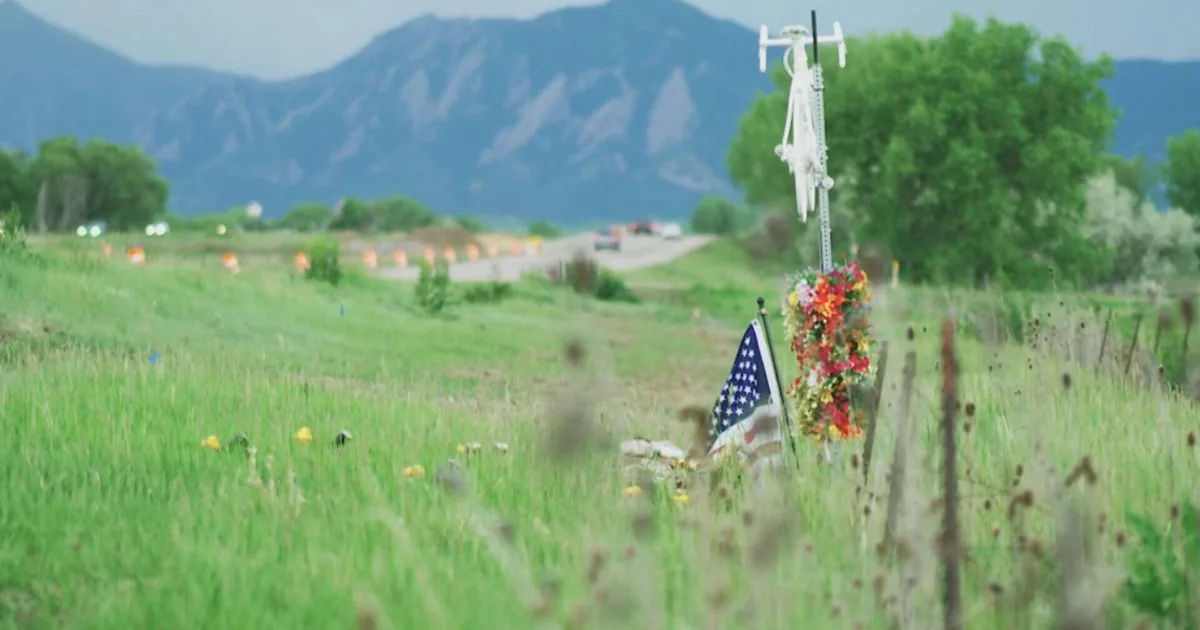
White was described as a rising cycling star, and his death drew widespread attention in the Colorado cycling community. The fatal crash happened in July 2023, and the legal case that followed centered on Smilianska’s conduct behind the wheel that night.
At the hearing, Smilianska acknowledged that her decision to drive after drinking and not sleeping was, in her words, horribly irresponsible. She also said she understood the pain the crash caused White’s family and said she wished there were something she could do to ease it.
Still, the family said her comments fell short of real accountability. For them, the parole outcome was less about a procedure than a measure of whether the consequences matched the loss of their son.
What happens before the next review
Smilianska’s parole case is not over, but the denial keeps her incarcerated while she waits for another review. The board’s decision means she will remain in prison unless future hearings result in a different outcome.
For White’s parents, Thursday’s result was a rare moment of relief in a case that has stretched on since the crash. They said they appreciated the board member’s decision and believed it reflected the seriousness of what happened.
As the next review approaches in a year, the case will continue to be shaped by the sentencing, the crash evidence and the family’s continued push for accountability.