SACRAMENTO, CA — Fresno police have opened an investigation into an officer accused of using Flock Safety camera data and another police database for reasons not tied to a criminal case. The allegations were outlined this week in a report from the city’s in-house watchdog, the Office of Independent Review, which said Internal Affairs began looking into the matter on Sept. 8.
The department said the officer was also accused of not activating a body-worn camera during a traffic stop, which could violate department policy. Police placed the officer on paid administrative leave while the investigation continues. Fresno police said the case remained open this week and that any possible criminal conduct would also be reviewed.
Watchdog report raises questions about how the case surfaced
The Office of Independent Review released its first report in 14 months on Wednesday, after the independent auditor position had been vacant since August 2025. The report offered few specifics, but it said the department accused an unnamed officer of misusing data from Flock and from the California Law Enforcement Telecommunications System, known as CLETS.
Fresno police said they used enhanced audit features to identify what appeared to be improper Flock access on Aug. 25. As Internal Affairs examined that issue, investigators discovered the additional alleged violations. The watchdog listed the case as pending and said it will receive a second review once Internal Affairs finishes its work.
What Flock cameras are meant to do in Fresno
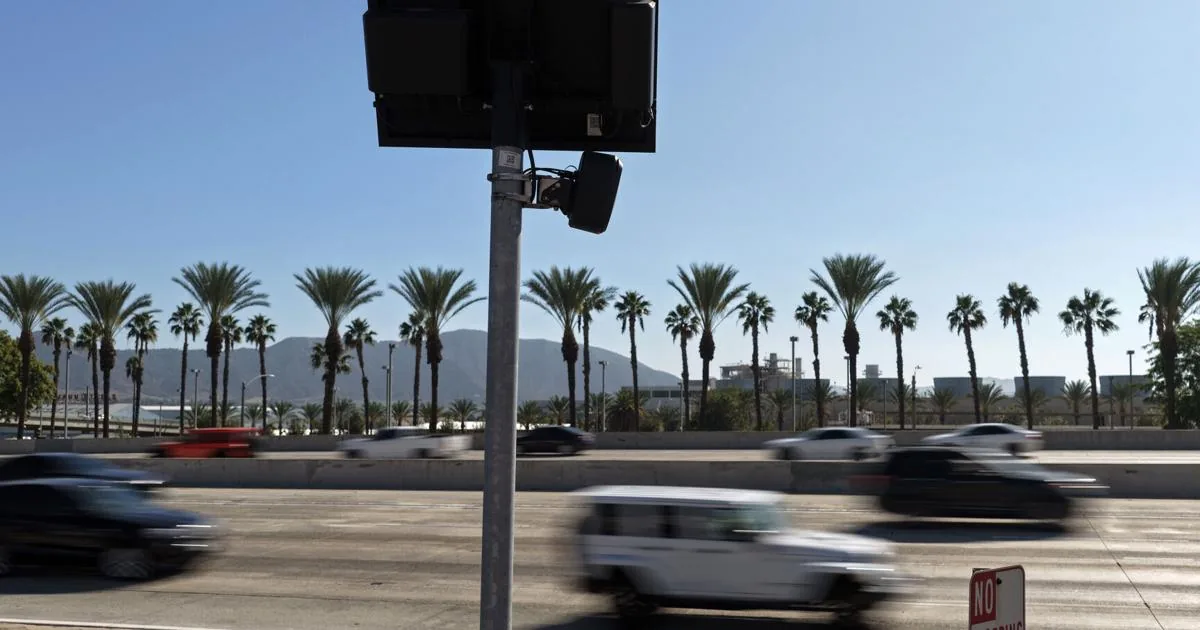
Police in Fresno have said they operate about 70 Flock cameras in the city. DeFlock, an anti-Flock website that tracks camera locations, lists about 180 cameras in Fresno, including private cameras in neighborhoods and shopping areas such as River Park.
Flock cameras are designed to help investigators read license plates and identify vehicles that may be linked to crimes. The systems have become a point of debate in many cities because residents worry that widespread camera networks can make it easier for police to watch ordinary people moving through public spaces.
In Fresno, police leaders have repeatedly said the technology is a useful investigative tool. Chief Mindy Casto held a public meeting in the Tower District in July to address residents’ concerns about surveillance and privacy.
Privacy concerns grow as surveillance tools expand
The case comes as criticism of police surveillance technology continues to grow. For many residents, the biggest concern is not whether the cameras can help solve crimes, but whether officers can use the data in ways that go beyond legitimate investigations.
Flock systems are built to create a digital record of vehicle movement, which makes them useful for tracking suspects. That same capability can also create opportunities for misuse, especially when access is not closely monitored or when officers search records for personal reasons.
Fresno police said the allegations in this case strike at public trust. In its statement, the department said policy violations matter even more when they involve that trust, and it said the officer’s conduct will be examined for any possible criminal issues.
Other agencies have already punished similar camera misuse
The Fresno case is not the first time police agencies have investigated officers over Flock access. A report this year from The Washington Post said at least 50 officers have been charged with or accused of using the cameras to stalk a partner, a former partner or a woman they were interested in.
In one recent California case, a San Jose police officer was fired in September after using Flock to obtain information that was then given to a relative suspected of domestic abuse, according to ABC7 News Bay Area. That case added to questions about how agencies police internal access to license-plate reader systems.
In Massachusetts, two officers were fired after using the cameras for personal reasons, including to track a romantic partner, according to Boston25 News. Those examples have become part of the broader debate over whether surveillance tools are being used with enough oversight.
What happens next in the Fresno inquiry
Internal Affairs is still reviewing the Fresno officer’s conduct, and the independent auditor will take a second look once that process ends. Police have not identified the officer publicly, and the department has not described exactly how the Flock data or CLETS records were allegedly used.
For now, the officer remains on paid administrative leave. The open case also leaves unanswered questions about whether the alleged misuse will lead to discipline, criminal review or changes in how Fresno police monitor access to sensitive systems.
The department’s audit tools were able to detect what appeared to be improper access, but the case is likely to intensify attention on how often police departments use automated monitoring to catch abuse of technology designed for public safety.