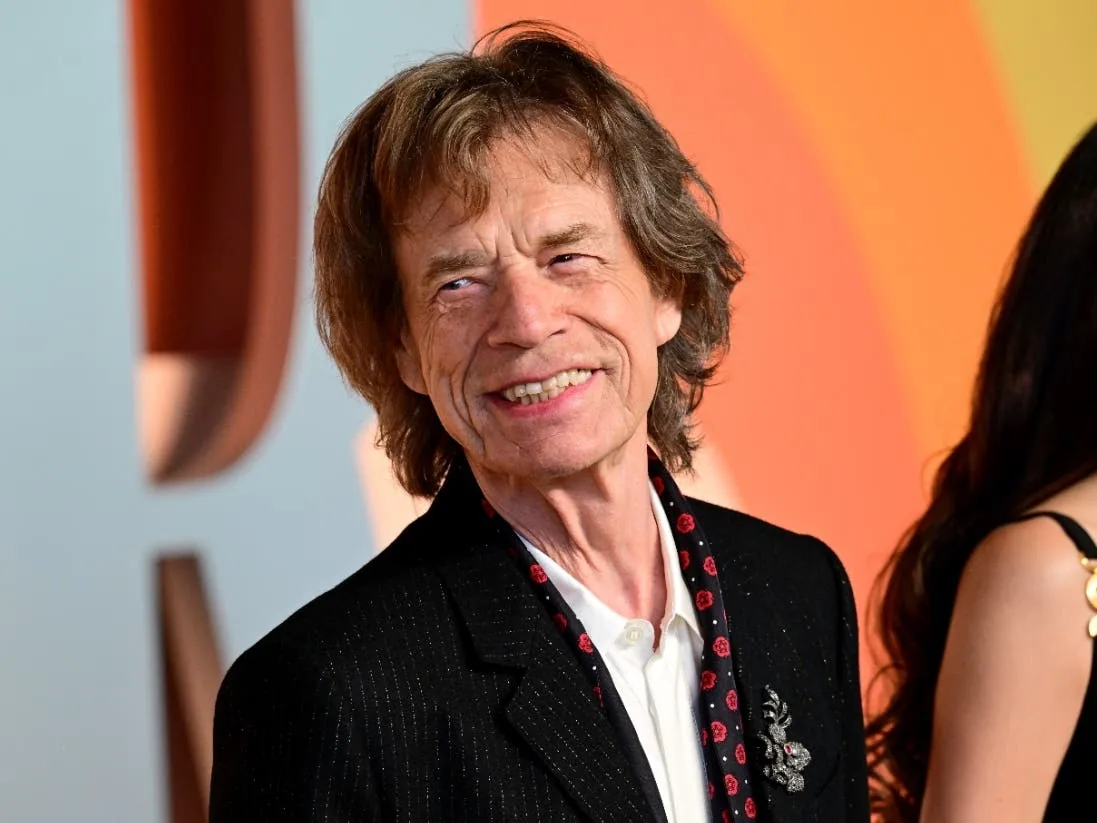
WARWICK, RI — Warwick police have been looking back at one of the department’s most famous pop-culture moments: the 1972 arrests of Rolling Stones members Mick Jagger and Keith Richards. In a Facebook post, the department recounted how the musicians ended up making an unexpected stop in Rhode Island during the band’s U.S. tour.
The post framed the episode as an unusual detour that turned into a booking of a different kind. According to Warwick police, fog diverted the group’s flight to T.F. Green Airport, and what happened next led to the arrests that became part of local history.
Fog forced an unexpected landing at T.F. Green Airport
Police said the trouble began when weather interrupted the Stones’ travel plans. Because of fog, the band’s flight was diverted to T.F. Green Airport, bringing Jagger and Richards into Warwick instead of their intended stop.
That delay set up a sequence of events that police later connected to the arrests. The department did not describe every detail beyond noting that the airline diversion and what followed created an unplanned and highly publicized encounter with local officers.
By revisiting the story decades later, Warwick police highlighted how a routine travel disruption for a touring band became a memorable moment in the department’s own history. The post treated the incident as one that remained worth retelling more than half a century later.
Altercation with a photographer led to arrests
Warwick police said an altercation involving a photographer was the immediate trigger for the arrests. The department did not provide additional details in the post about the nature of the dispute, but it identified that conflict as the reason Jagger and Richards were taken into custody.
That arrest turned an already complicated travel delay into a front-page moment for the band. Instead of heading straight to their performance, the two musicians were dealt into a different kind of unexpected stop by local police.
The department’s retelling emphasized the irony of the scene: thousands of fans were waiting in Boston while the Stones were being processed in Rhode Island. The contrast between the crowd’s anticipation and the pair’s arrest made the story endure.
Boston fans waited while the performance hung in the balance
According to Warwick police, the arrest came while thousands of fans were already gathered at Boston Garden. The band’s U.S. tour stop had not been canceled, but the performance faced a major delay while Jagger and Richards dealt with their legal troubles.
The department said Boston Mayor Kevin White helped arrange their release on bail. After that, the show ultimately went on, though not until after midnight. The post presented the late start as part of the legend surrounding the incident.
That detail helped explain why the event has lasted in memory well beyond the original night. What could have remained a brief local police matter instead became tied to a major concert and one of the best-known rock groups in the world.
Jagger’s reported remark became part of the legend
Warwick police also repeated a line they said Jagger told the crowd after the delay. According to the department’s Facebook post, he reportedly said, “This place is better than Warwick.”
Whether meant as a joke, a jab, or a spontaneous comment, the remark became part of the story’s staying power. The department included it in its remembrance as a memorable detail from the night the Stones finally got on stage.
The quote added a playful note to an otherwise tense sequence of events. For Warwick police, it underscored why the 1972 arrests still stand out whenever the department looks back at notable moments in its history.
A social media post turned a local arrest into a shared memory
The department’s post used social media to turn a decades-old incident into a piece of local storytelling. Rather than issuing a formal historical statement, Warwick police presented the episode in a concise, conversational way that connected the old arrest to present-day followers.
That approach helped the story travel beyond Warwick by linking a small Rhode Island police department to one of rock music’s most famous names. The Rolling Stones connection gave the post broad appeal while still keeping the focus on the local agency’s role in the event.
The retelling also showed how police departments sometimes preserve unusual chapters from their past through public posts. In this case, the mix of weather, a photographer confrontation, a bail arrangement, and a late-night concert made for a story that still draws attention years later.
The Rhode Island setting kept the story rooted in local history
Even with global celebrities at the center, the incident remained tied to a specific Rhode Island setting. T.F. Green Airport and Warwick police were the local pieces that shaped the story, and the department’s post made that connection clear.
By recalling the arrests, Warwick police reinforced a small but unusual chapter in the city’s public history. The episode involved a famous band, a diverted flight, and an arrest that became linked to a major Boston concert, but its first chapter belonged to Rhode Island.
For local residents and longtime Stones fans alike, the reminder offered a snapshot of how an ordinary police encounter can become part of a much larger cultural memory. The department’s post kept that memory alive with a mix of humor and historical recall.