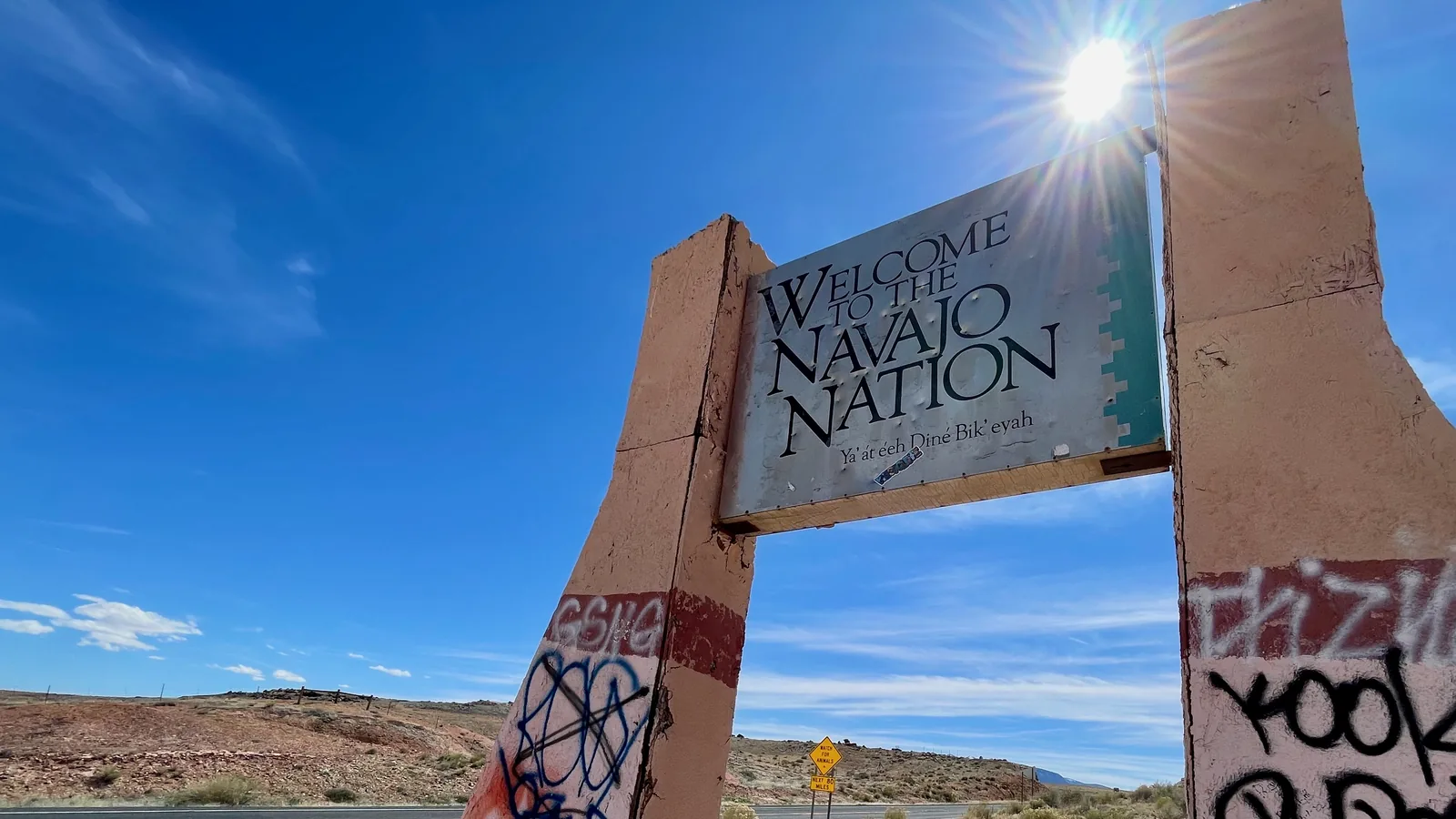
SALT LAKE CITY, UT — A new Utah effort is using an online database to preserve the names and stories of missing and murdered Indigenous people. The project, called Traces, was introduced Monday as part of MMIR Utah, a nonprofit focused on Missing and Murdered Indigenous Relatives.
Organizers say the goal is not just to document cases, but to honor the people behind them. Each entry is designed as a remembrance that includes personal details, community ties and whatever information is available about what happened.
Planners say the database is also meant to keep attention on the disproportionate violence Native American communities face, both in Utah and nationwide.
MMIR Utah says Traces centers memory instead of case files
Tammy Dee Platero, the executive director of MMIR Utah, said the database was created to remember missing and murdered Indigenous relatives with dignity. She said each page is intended to reflect a person’s life, not reduce them to a line in a police file.
That approach is central to how the project is built. The entries focus on who the person was, what they cared about and the community they came from, along with details about the disappearance or killing when they are known.
Platero said many of these cases get brief attention before fading from public view. Traces, she said, is meant to keep those stories visible for longer and to make sure families and communities are not left carrying them alone.
Native Americans in Utah face a disproportionate share of murder cases
MMIR Utah points to broader patterns of violence affecting Indigenous people. In Utah, American Indian and Alaska Native residents make up 1.6% of the population but account for more than 5% of murder victims, according to a 2023 report cited by the organization.
Platero said that disparity reflects a national trend and shows why more public attention is needed. The initiative’s larger mission is to help reduce the violence that has harmed Indigenous families for years.
By building a public record of these cases, organizers hope the issue is harder to ignore. They say the database is one step toward recognizing the scale of the problem and the people most affected by it.
The first entries include missing and unsolved cases across Utah and nearby states
So far, Traces includes stories about 11 people. Some entries are brief because little information has been gathered yet, while others include more extensive background on the person and the circumstances surrounding the case.
One entry profiles Rebecca Jane White, who went missing from South Salt Lake in 2012 and may have been experiencing homelessness. The entry says she may also have used the last names Fasthorse or Runninghorse.
Another entry concerns Ermalinda Garza Sherman, an American Indian or Alaska Native woman who was killed near St. George in 1991 at age 32. Her case remains unsolved, according to the information included in the database.
One case details a Wyoming tribe member whose remains were found in Box Elder County
A more detailed account in the database focuses on Matthew Jay Broncho, an enrolled member of the Shoshone-Bannock Tribes. He went missing from his home in Idaho in 2019, and his remains were later found in the Hansel Mountains in Box Elder County, though the case remains unresolved.
The entry includes a comment from his mother, Cynder Metz, who was quoted by Native News Online asking why he would have gone to Utah. Her question reflects the uncertainty families often face when loved ones disappear across state lines.
Platero and other organizers say stories like these show why the database matters. Even when the details are limited, they want each person remembered as more than a file number or a passing mention.
University support and journalism help funded the project
The project received funding from the University of Utah Department of Communication. The Utah Investigative Journalism Project also helped with research and writing the first batch of stories for the database.
Eric Peterson, the founder and senior reporter for the journalism group, said the project took more than a year to develop. He described it as a beginning rather than a finished product.
Peterson said he hopes future entries will come directly from the friends, loved ones and tribal members who knew the people involved. Organizers say more money will be needed to keep Traces going, and Platero said the funding target for 2027 is $120,000.
Organizers want the database to grow through community submissions
For now, the database is still limited in scope, but Platero said she hopes word will spread and bring in more stories. Some entries are sparse, she noted, because the project is just getting started.
That is part of why the team chose a public online format. They want families, tribal communities and others connected to missing or murdered Indigenous people to help build out the record in their own words where possible.
Peterson said the project’s deepest success would be for reporting to be replaced by shared memories from the people who knew the victims best. Until then, Traces is intended to stand as a living memorial and a call for continued attention.