EUREKA, CA — The Humboldt County Sheriff’s Office is urging families and others to come forward with information about people who may have disappeared at sea off the Northern California coast, including cases that go back decades.
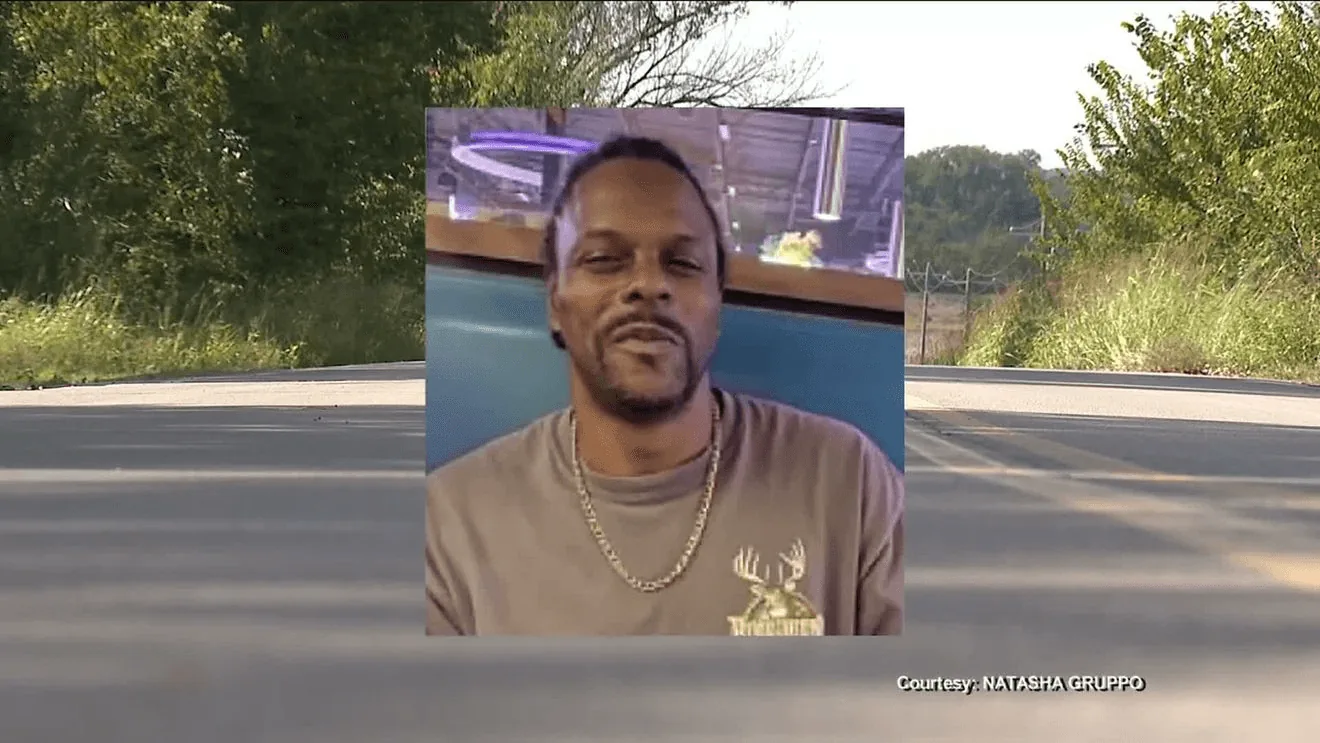
The request follows the identification of fisherman Jonathan “John” Raxa, whose remains were found more than 26 years after he vanished near Humboldt Bay. Investigators say the case showed how family DNA and accurate missing person records can help identify people long after a tragedy.
Officials now believe some mariners who were lost at sea may never have been entered into California’s missing person system, particularly when the original response involved federal authorities rather than local law enforcement.
DNA match solved a case that began in nineteen ninety nine
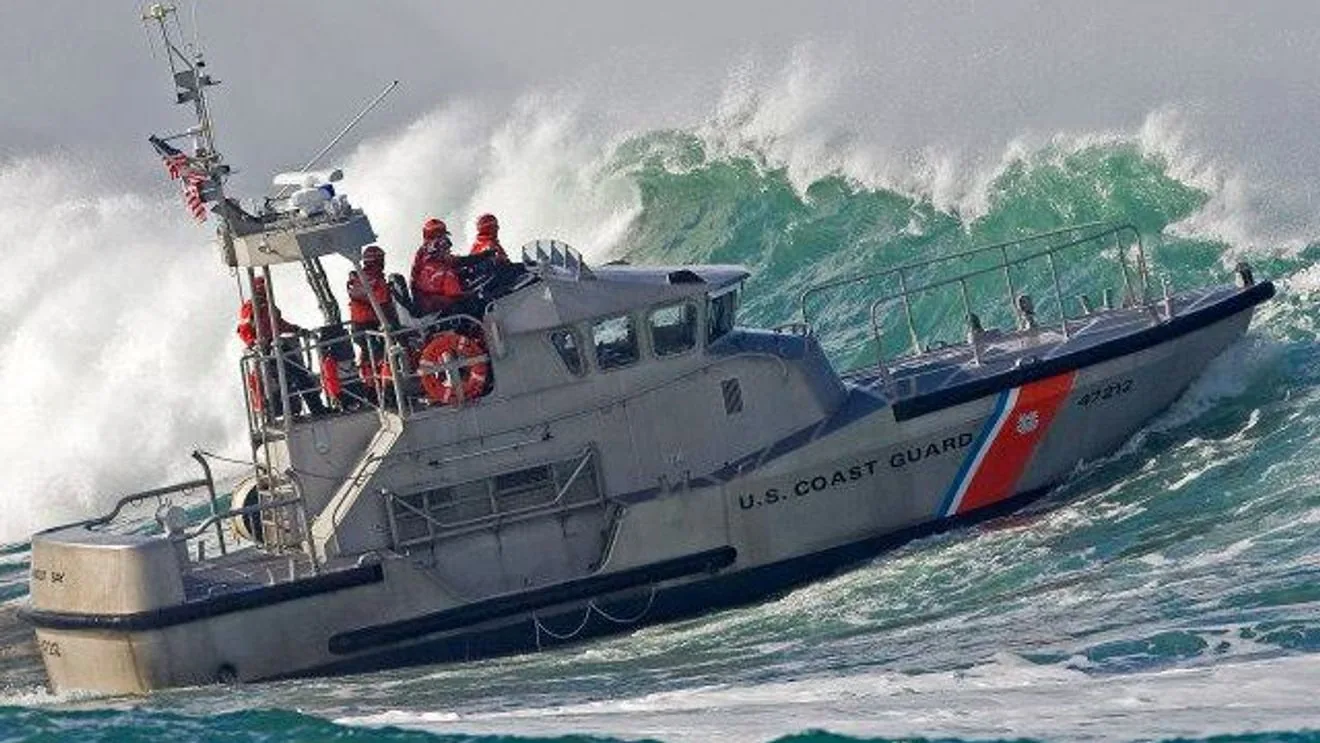
Raxa disappeared on Dec. 14, 1999, after a large wave struck the commercial fishing vessel Silver Spray near the entrance to Humboldt Bay, according to the sheriff’s office. The wave tore the pilothouse from the boat and threw the captain and crew into the water.
Three people were recovered, but Raxa, who was 37 at the time, was not found.
A human bone discovered at Centerville Beach in March 2026 was later identified as Raxa’s through DNA testing. Investigators compared the remains with DNA provided by his family, allowing them to confirm his identity after more than two decades.
The sheriff’s office said the discovery underscored the value of family DNA in cases where a missing mariner has never been formally located or documented in a way that allows for later identification.
Investigators found gaps in missing person records
During later reviews and conversations with the U.S. Coast Guard, Humboldt County investigators learned that some people lost at sea may not have been entered into the state’s missing person system. The sheriff’s office said incidents handled by federal agencies do not always lead to missing person reports being entered into state and national law enforcement databases.
That gap can matter years later, especially when remains are recovered long after a disappearance. Without an accurate missing person record, investigators may have no easy way to match unidentified remains to a specific person.
The office said the Raxa case made that problem clear. It also suggested there may be other missing mariners whose disappearances were handled informally or were never fully documented in the right systems.
Who the sheriff wants to hear from now
The sheriff’s office is asking family members, friends, fellow fishermen, vessel owners and others with information to contact investigators if someone disappeared at sea off the Northern California coast. That includes people lost from commercial fishing vessels, recreational boats or vessels that capsized or sank.
Officials said the request applies no matter how long ago the disappearance happened. Families can also reach out if they are unsure whether a loved one was ever officially reported missing.
Investigators said they will review each case individually to determine whether the person was entered into the proper databases and whether any missing person reports still need to be filed.
How the office plans to handle new tips and old cases
When appropriate, investigators may arrange to collect DNA samples from relatives so those profiles can be used in future identifications. The sheriff’s office said that step could help preserve options if remains are found years or even decades later.
Officials emphasized that they want to make sure no one lost at sea is forgotten simply because paperwork was never completed. Sheriff William Honsal said the department believes there may be additional missing mariners whose cases were never properly documented.
He added that the Raxa identification demonstrated how modern DNA technology can answer families’ questions long after a boating tragedy. The office is encouraging people with information to contact Unsolved Homicide/Missing Persons Investigator Mike Fridley at 707-441-3024.
A reminder that old maritime disappearances can still be solved
The sheriff’s office is treating the appeal as both a practical records search and a chance to close long-unresolved cases. For families, even an old disappearance may still matter if no official report was ever filed or if a case never made it into the right system.
The department’s message is that time does not erase the possibility of identification. In Raxa’s case, a bone found in 2026 finally connected remains to a fisherman missing since 1999, turning a decades-old mystery into a confirmed case.
Authorities say that kind of result depends on two things working together: reliable records and relatives willing to provide DNA when asked.