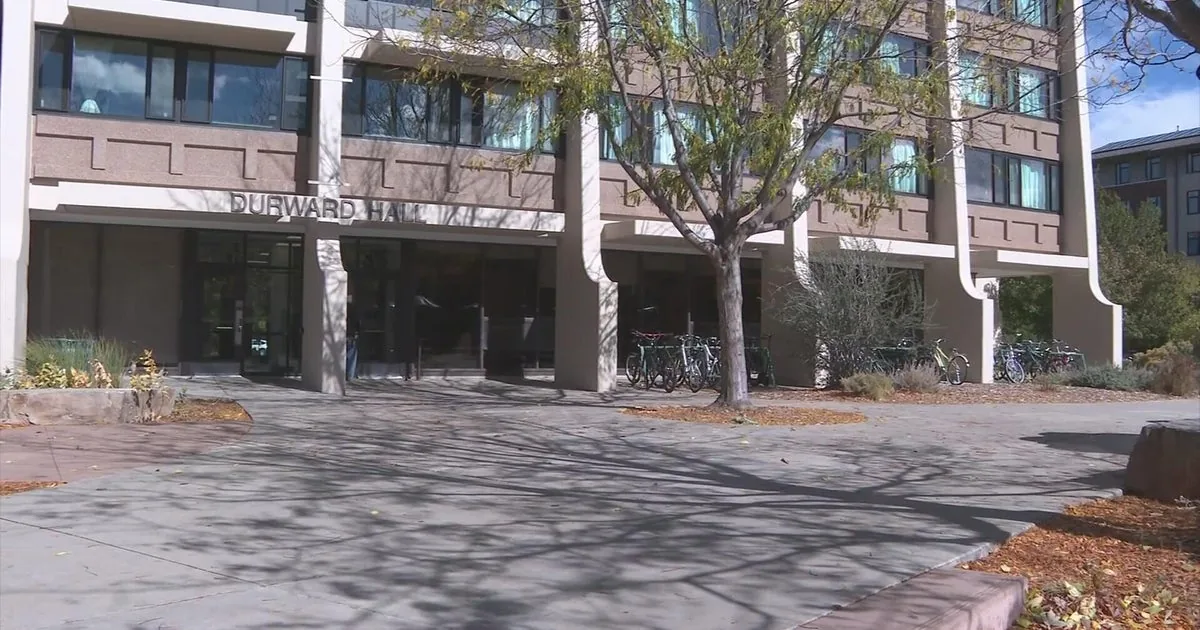
FORT COLLINS, CO — Colorado State University police are investigating whether napalm was hidden inside a Fort Collins dormitory, a discovery that immediately raised concerns about campus safety and the handling of dangerous materials.
The case involves a student, though authorities have not publicly identified that person. University officials have not said how the material was found or whether anyone was injured, and the investigation remains active as police work to determine what was stored in the residence hall and why.
Because the matter involves a potentially incendiary substance in a student living area, campus law enforcement is treating it as a serious safety inquiry. The investigation adds to concerns any time hazardous chemicals are found in a crowded residential setting where students live, study, and sleep.
What campus police are trying to determine
The central question for investigators is whether the substance was in fact napalm and, if so, how it ended up in the dormitory. Police have not released a description of the item beyond the possibility that it was napalm, and no public details have been given about its condition or quantity.
Investigators are also trying to understand the student’s role. It is not clear whether the material was brought in knowingly, kept accidentally, or discovered during another police matter. Those unanswered questions are likely to shape whether the case leads to criminal charges, university discipline, or both.
So far, Colorado State University police have kept their public comments limited, which is common in an active investigation involving a student and a potentially dangerous substance. The lack of detail means the basic facts are still being sorted out by campus authorities.
Why the dormitory setting matters
Residence halls are designed for dense student housing, which makes any report of flammable or explosive material especially troubling. Even a small amount of a hazardous substance can create risk for dozens of students and staff if it is stored improperly or exposed to heat, sparks, or mishandling.
Napalm is generally associated with highly dangerous, sticky incendiary material, so the possibility that it was present in a dormitory is unusual and serious. University officials have not said whether the building was evacuated or whether other students were moved while the investigation was underway.
For students living nearby, the case is likely to prompt questions about how the substance was able to get inside a campus residence hall at all. Safety procedures in shared housing often depend on quick reporting and prompt action when suspicious items are found.
Campus law enforcement and student conduct questions
Colorado State University police are the lead agency in the case, but the situation could also involve university conduct review depending on what investigators find. Schools often handle student safety matters through both law-enforcement and administrative channels when hazardous materials are involved.
If police determine the material was real and intentionally stored, the consequences could extend beyond university discipline. But officials have not described any charges, and they have not said whether outside agencies have been brought in to assist.
At this stage, the investigation is centered on facts: what the substance was, how it was obtained, and whether the student had any lawful reason to possess it. Those answers will determine how the university responds next.
Questions still unanswered about the discovery
University officials have not said exactly where in the dormitory the material was found, when it was discovered, or who first reported it. Those details often matter in campus safety cases because they can show whether the item was stored openly, concealed, or found during a search for another reason.
There is also no public indication yet about the student’s status on campus. It is unknown whether the person remains in housing, has been removed from the dormitory, or is facing interim restrictions while the case is reviewed.
Without those specifics, the situation remains more of an active safety inquiry than a finished incident. Police are still working through the basic facts before deciding what actions, if any, should follow.
How unusual hazardous-material cases affect campus communities
Incidents involving dangerous chemicals can unsettle a campus quickly because students rely on shared buildings being safe and predictable. Even before investigators release full details, word of a possible incendiary substance can spread fast among residents and raise fears about nearby exposure.
That uncertainty often becomes part of the story itself. Students may want to know whether they were ever in danger, whether the material was active, and what campus officials are doing to prevent a similar situation from happening again.
For now, the case remains under investigation at Colorado State University, and the public record is still limited to the university police inquiry into a possible napalm discovery in a Fort Collins dormitory.