WILMINGTON, DE — A former AstraZeneca scientist is headed to federal prison after sending graphic death threats to Aetna and company officials for more than a year, turning an insurance dispute into a prolonged campaign of fear.
Justin Dynlacht was sentenced last week to 46 months in prison after pleading guilty to cyberstalking. Prosecutors said his messages targeted about two dozen people and included threats of rape, torture, murder and other violence. The case began with complaints over health coverage for Crohn’s disease, but investigators said Dynlacht’s response went far beyond anger or protest.
He has remained in federal custody since his May 2024 arrest and is expected to be released sometime in 2028. Even after admitting his crime, court records show he has continued to challenge the case, the plea and the conditions of his detention.
How a coverage dispute escalated into threats and harassment
Dynlacht, 57, said he believed AstraZeneca and its insurer, Aetna, mishandled coverage for treatment related to Crohn’s disease, which he has had since 1995. He worked as a quality assurance specialist at AstraZeneca’s research and development site in Gaithersburg, Maryland, and said the dispute cost him tens of thousands of dollars.
According to court records, the conflict started with complaints and appeals, then hardened into abuse. His earliest letter, sent in November 2022 to then-Aetna president Daniel Finke, used profanity and accused company leaders and doctors of corruption. By early 2023, prosecutors said, Dynlacht was sending emails and letters filled with vulgar attacks to executives and employees.
Aetna later alerted AstraZeneca, which summoned Dynlacht to a meeting in January 2023 over what company officials described as offensive and unprofessional conduct. Five days later, AstraZeneca fired him. Prosecutors said that dismissal intensified the barrage instead of ending it.
Federal agents say he used fake names and multiple channels to threaten victims
Investigators said Dynlacht sent letters, emails and faxes using different names while tying the communications to the internet address associated with his Maryland apartment. One April 2024 email to a Delaware Aetna employee included language saying she and senior management should be executed, and that she should be raped and tortured before being killed.
That same month, prosecutors said, he sent additional material that suggested the woman should be murdered by a power drill. Other recipients were told they might be hacked with machetes, burned with explosives, shot, strangled or beheaded. In one message, he wrote that company officials should “burn in hell.”
Authorities said the pattern was deliberate and sustained. A federal complaint and later indictment described conduct spanning roughly 18 months, and prosecutors said the threats were personal enough to make recipients feel unsafe in their homes and workplaces.
Why prosecutors said the case caused widespread fear across several states
Assistant U.S. Attorney Carly Hudson told the court that Dynlacht’s messages terrorized victims in multiple states. Some people changed their locks, one woman’s son began sleeping with a baseball bat, and others moved or quit their jobs, according to Hudson’s description in court.
Hudson said the threats were not empty venting but conduct that made recipients fear for their safety and their families. She argued that the internet gave Dynlacht the ability to intimidate people far beyond Delaware, including officials in South Carolina, Massachusetts, Maryland, Georgia, Ohio, Texas, Florida, Pennsylvania, Indiana and New York.
Only the Delaware woman was named in the cyberstalking charge, but prosecutors said the broader pattern mattered in sentencing. The government sought the maximum five-year term, arguing that the harm extended across company offices and state lines.
Dynlacht pleaded guilty, then tried to undo that plea
In March 2025, Dynlacht pleaded guilty before U.S. District Judge Richard Andrews. During the hearing, he acknowledged that he wanted to frighten and harass recipients, while also saying he was angry and felt mistreated by Aetna and AstraZeneca.
He told the court he had anxiety, insomnia, depression and Crohn’s disease, but said he was mentally stable enough to admit the offense. He also described the threats as a response to what he believed was unfair treatment of patients and policyholders.
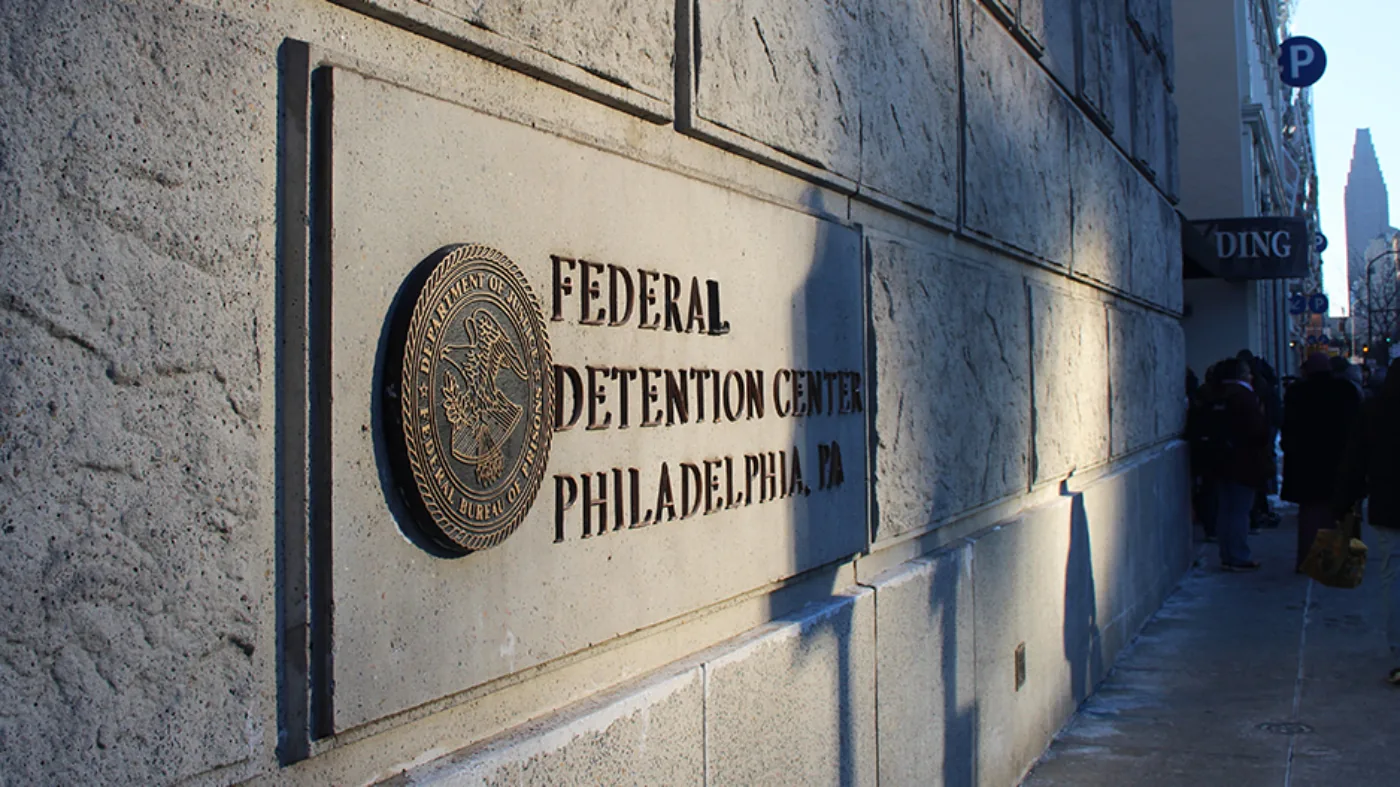
Three months later, he tried to withdraw the plea, claiming coercion and harsh conditions at the Federal Detention Center in Philadelphia. Andrews rejected that request, saying the record did not support a finding that the plea was anything other than knowing and voluntary.
Court fights continue over prison conditions and the sentence
Dynlacht remains in the Federal Detention Center in Philadelphia while pursuing other legal action. He has sued AstraZeneca and Aetna, and he has also filed a separate case against the federal government alleging improper medical care at the detention center. A judge dismissed that case, and he is appealing.
He also tried to remove Judge Andrews from the case, without success, and has fired lawyers along the way. His court filings have continued to attack both his former employer and the medical system he says failed him. In one handwritten complaint about prison care, he compared the facility to an insane asylum, a Nazi concentration camp and a Stephen King horror movie.
Hudson said Dynlacht is likely to appeal the sentence as well. She noted that he will face three years of supervised release after prison and that his internet access will be limited. Prosecutors said that restrictions are necessary because of the broad reach of his threats and the continuing risk they posed.