LUMBERTON, NC — A Lumberton police officer has been charged after a state investigation into allegations that he improperly used the department’s Flock license plate reader system. North Carolina State Bureau of Investigation agents say Joshua Oxendine, 44, faces one misdemeanor count of accessing computers under state law.
The case began after the Lumberton Police Department asked the SBI on Aug. 19, 2026, to look into claims that an officer had used the system inappropriately. The inquiry ended with a charge under North Carolina General Statute 14-454(b). Oxendine is scheduled to appear in court Jan. 25, 2027.
State agents say the inquiry began at the police department’s request
The SBI said the matter started when Lumberton police asked for help examining possible improper use of the technology. That request set off a criminal investigation into how one officer handled access to the department’s automated license plate reader network.
Authorities have not described what prompted the concern inside the department. They have also not said what evidence investigators reviewed before filing the charge against Oxendine. The case is still pending, and the complaint centers on computer access under state law rather than a broader criminal accusation.
Because the investigation was initiated by the department itself, the case highlights how law enforcement agencies can police their own use of data systems. It also shows that access to technology designed to assist investigations can still become a subject of scrutiny when officials believe internal rules may have been broken.
What the Flock system does and why agencies use it
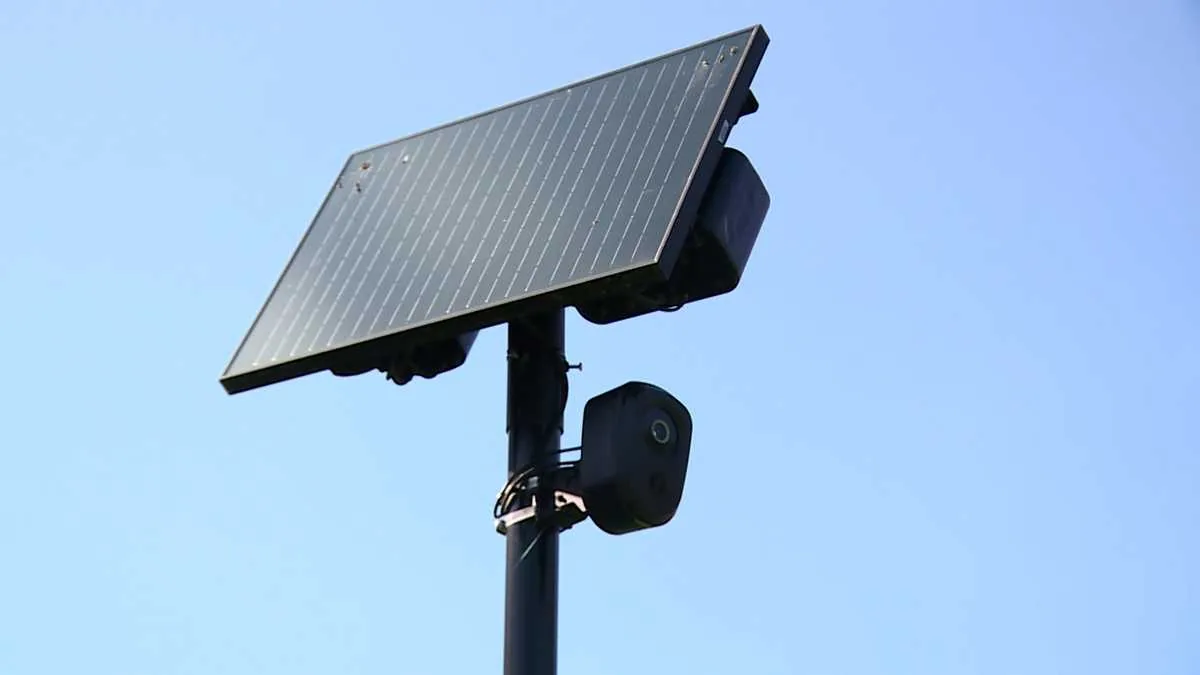
Flock cameras record license plate information that law enforcement agencies can search when trying to identify vehicles tied to investigations. Police departments use the system as a tool for tracking leads, locating cars of interest and building timelines in criminal cases.
At the same time, the technology depends on controlled access and proper recordkeeping. Those safeguards matter because the database can contain information about vehicles that have nothing to do with a crime, making privacy and oversight important concerns for departments that use it.
City officials said they are treating the allegations seriously because residents expect police technology to be handled carefully. The statement from Lumberton emphasized both privacy and responsibility, underscoring that the issue is not only about one officer’s conduct but also about how the department manages access to sensitive systems.
Lumberton says it is tightening access and training requirements
In response to the investigation, the City of Lumberton said it is putting stricter rules in place for the use of automated license plate readers, including the Flock system. The new policy will limit access to authorized users and require training before officers can use the technology.
Officials also said searches must be documented. That requirement is meant to create a clearer record of who accessed the system and why, which can help supervisors review use and spot possible misuse sooner.
The city framed the changes as part of its effort to maintain public trust. In its statement, officials said they value residents’ confidence and expect law enforcement tools to be used in ways that respect privacy. The policy shift suggests the department wants to add a stronger internal layer of control while the criminal case moves forward.
Officials have not described the alleged misuse in detail
Lumberton officials have not released specifics about how Oxendine allegedly used the system improperly. They have not said what information may have been accessed or whether the activity involved any particular person or vehicle.
The city also has not said whether Oxendine remains on active duty or whether any disciplinary action has been taken. Those unanswered questions leave the personnel side of the case unclear even as the criminal matter proceeds through court.
For now, the public record is limited to the charge and the city’s policy response. That means the exact scope of the alleged misuse remains unknown, and the case will depend on what comes out in court filings or later proceedings.
Court date set for early 2027 as the case moves ahead
Oxendine is expected in court Jan. 25, 2027, and the case remains open. The misdemeanor charge means the legal process will move through the local court system, where the facts and any defenses can be tested.
For Lumberton, the case comes at a moment when departments across the country are increasingly reliant on automated license plate readers and other digital tools. Those systems can help solve crimes, but they also require oversight to make sure access stays limited and documented.
The city’s response shows that officials see the issue as more than a single personnel matter. By tightening policies now, Lumberton is signaling that future use of the technology will be more closely controlled while the allegations against one of its officers are sorted out in court.