PITTSBURGH, PA — Crashes involving deer are becoming more common in Western Pennsylvania, according to PennDOT, and the risks can range from expensive vehicle damage to deadly collisions. Officials say the pattern is showing up with unsettling regularity in and around the Pittsburgh area.
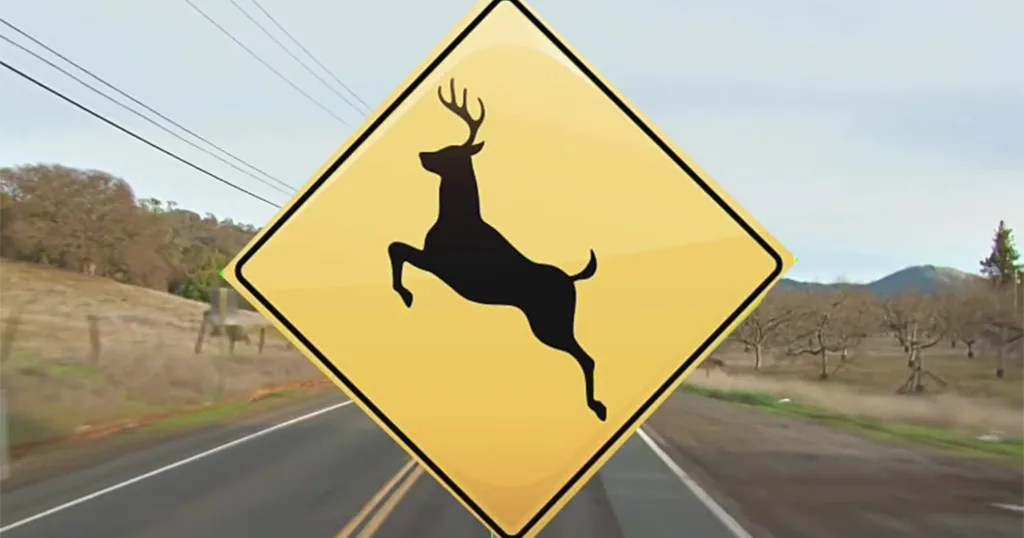
Transportation crews cannot control where deer move, but they do try to warn drivers when crash patterns emerge. PennDOT says deer-crossing signs are installed only after workers review a location and determine that the risk is real.
That approach matters because the consequences can be severe. In one late-October crash, a Latrobe man was killed when his motorcycle struck a deer in Unity Township.
PennDOT says warning signs follow crash patterns, not guesswork
PennDOT District 11 Assistant Executive Lori Musto said drivers should not assume a deer warning sign was placed arbitrarily. Before a sign goes up, crews check whether there is evidence of repeated crossings or a cluster of deer-related crashes.
Musto said staff look for signs that deer are using the same stretch of roadway again and again. If the area also has enough space for a sign, PennDOT may install one to alert motorists to the increased danger.
She said the agency also pays attention when local concerns point to a problem spot. According to Musto, Pennsylvania State Police have reported a high number of crashes in one area of Route 28, which has drawn repeated complaints from drivers and residents.
Route 28 in Cheswick has become a focus for repeated deer strikes
One recent example came over the weekend on Route 28 near Cheswick, where a deer came over the median barrier and a driver had little chance to avoid the collision. PennDOT says incidents like that are common in the region, even if they are not always fatal.
Musto said deer often follow the same terrain and travel routes, which can create repeat trouble on the same roads. Once that pattern becomes clear, officials may decide the location needs a warning sign.
The Route 28 example illustrates why agencies treat some stretches of highway differently from others. A short segment with multiple crashes can signal a higher-than-normal risk, even if the road itself is not usually known for wildlife problems.
Officials say deer crossings can be difficult to predict and prevent
PennDOT officials emphasized that deer behavior is unpredictable from a driver’s point of view. Because animals can move quickly and suddenly, the agency says it does what it can to reduce surprises, but it cannot prevent deer from entering roadways.
Musto said the goal is to identify places where evidence suggests a crossing pattern or an elevated crash risk. When that happens, the warning sign is meant to give drivers a clearer heads-up before they reach the area.
The agency’s message is simple: the signs are there because something has happened there before. In other words, a deer warning is a response to real conditions on the road, not a decorative marker.
Motorcyclists and nighttime drivers face some of the worst danger
The recent fatal crash in Unity Township underscores how serious deer collisions can be. When a motorcycle hits a deer, the result can be especially dangerous because the rider has far less protection than someone in a passenger vehicle.
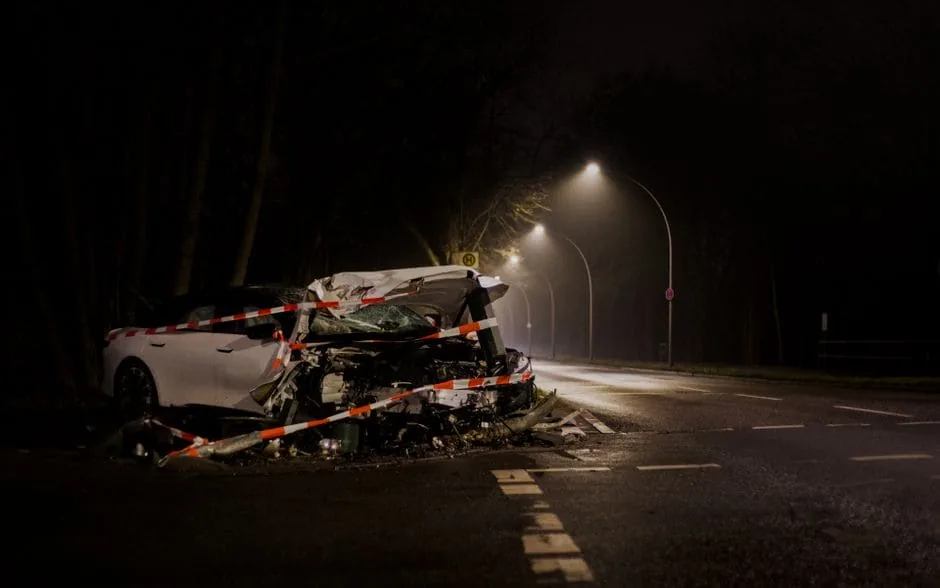
But even nonfatal collisions can leave drivers with major damage and a frightening experience. PennDOT says the damage deer can do is often significant, especially when the animal is struck at highway speed.
That is part of why agencies stress caution in areas where deer activity has been documented. A split-second encounter can be costly for a car driver and devastating for someone on two wheels.
PennDOT urges drivers to slow down and watch both sides of the road
First responders say the safest response to a deer crossing sign is to take it seriously. Drivers are urged to slow down, stay alert and scan both sides of the road for movement whenever they enter a marked area.
Officials say that extra caution can make a difference because deer may appear suddenly and move unpredictably. Looking well ahead and staying prepared can improve the odds of avoiding a collision, especially in areas where crashes have happened before.
PennDOT’s broader advice is to treat these warnings as a sign that the road ahead has a known risk. The signs are meant to give drivers time to react before a deer steps or jumps into their path.