MILWAUKEE, WI — Investigators in Wisconsin are probing what they describe as a fast-moving ATM robbery method that let thieves walk away with large amounts of cash from two Milwaukee-area banks. In separate heists, suspects targeted machines in Glendale and Greenfield and forced them to dispense money, taking an estimated $340,000 combined.
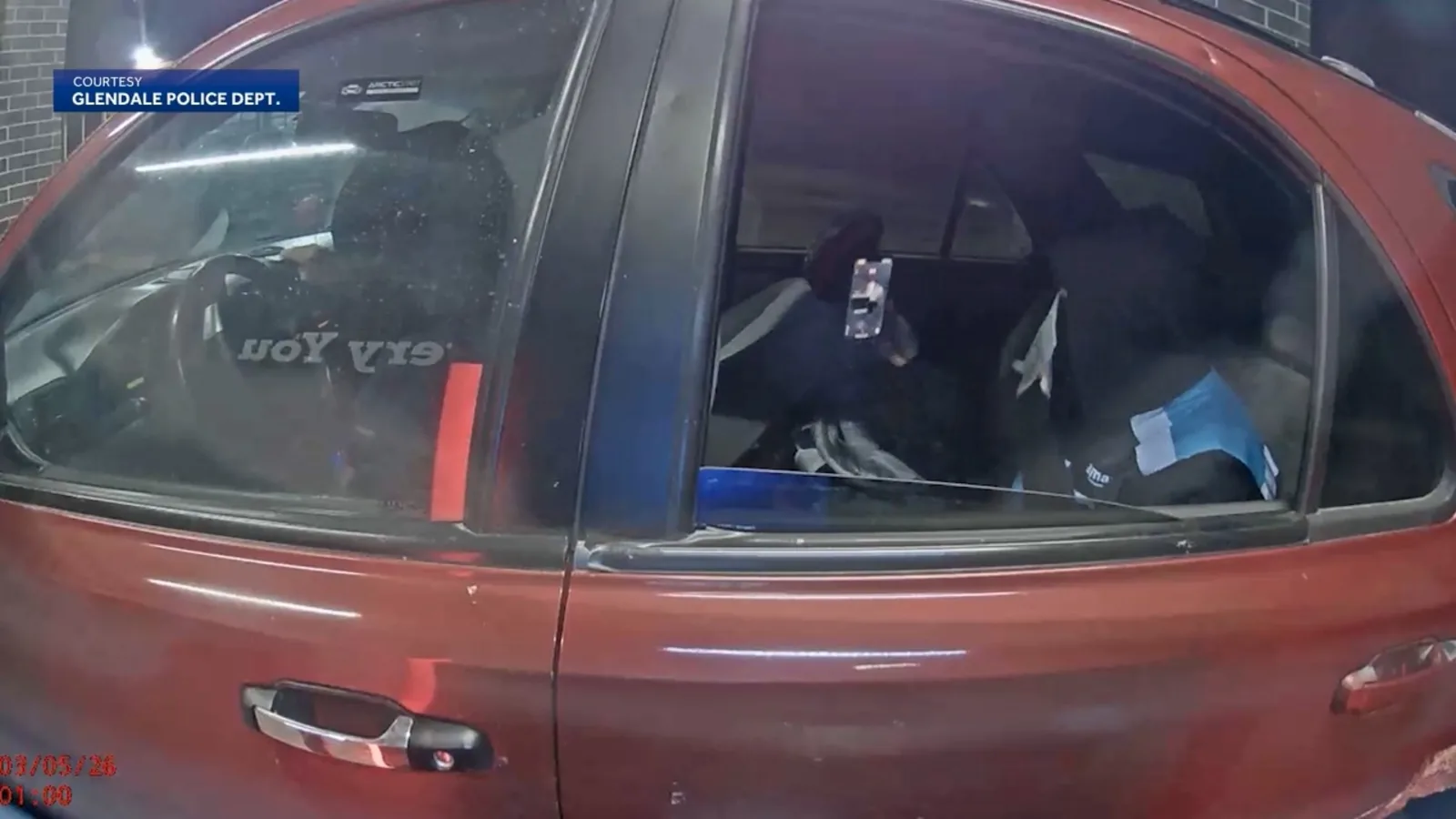
Video from one of the incidents shows a man opening panels beneath an ATM, using a key to get under the machine’s hood, and pulling up the front of the unit before the screen went dark and rebooted. About an hour later, the same vehicle returned and the suspects reportedly took $110,000 from the machine.
How the Glendale ATM was drained in the middle of the night
The Glendale theft happened just before midnight, when a man pulled up to an ATM and did not use a debit card or enter a PIN. Instead, he got to work on the machine itself.
According to video reviewed by investigators, he unlocked panels beneath the unit and exposed its interior. The machine then appeared to restart. After the first pass, he and his driver left the scene, only to come back later and collect cash that had been forced out by the compromised system.
Authorities say the pair escaped without being detected. The amount taken from that machine was $110,000, making it one of the two major losses in the recent string of thefts.
Greenfield bank hit again and again after camera was covered in mud
Days after the Glendale theft, thieves struck a U.S. Bank on 27th Street in Greenfield. Investigators say the suspects smeared mud on a camera before carrying out the theft, apparently trying to limit what surveillance footage could capture.
Police and federal investigators say the group returned repeatedly and drained cash from two different machines at the bank. The total loss in Greenfield was about $230,000.
Greenfield police have since closed their case, saying they do not have leads on who carried out the robbery. Glendale police, however, say the two incidents may be connected.
Federal investigators call the scam jackpotting
The FBI describes the tactic as “jackpotting,” a scheme in which criminals manipulate an ATM into spewing cash. Special Agent in Charge Alan Karr, who heads the bureau’s Milwaukee office, said the groups behind these crimes are often highly organized and methodical.
According to Karr, they may spend days watching a bank, studying cameras and looking for weaknesses before making a move. The bureau says some crews install malware and then use their own computer to hack into the ATM system.
Investigators say the criminals are not simply breaking into the machines by force. They are exploiting the technology inside them, turning an ordinary cash dispenser into a target for a coordinated theft.
More than 1,900 incidents have been reported since 2020
Bank reports show jackpotting is not an isolated problem. Investigators say institutions have reported more than 1,900 incidents since 2020, and the crime has led to more than $20 million stolen last year alone.
The scale of the losses has made the tactic a growing concern for banks and federal investigators. The recent Milwaukee-area cases fit that pattern, with losses spread across multiple machines and two different bank branches.
Those numbers also show why law enforcement treats the thefts as more than routine burglary. The thieves are targeting systems designed to protect cash, and they are succeeding with increasing frequency.
Search warrants point to possible Chicago ties as police look for suspects
Search warrants in the investigation show that at least one of the suspects may be from Chicago. Glendale police are still trying to identify everyone involved.
That possible connection has not led to arrests, and investigators have not said publicly whether the same people are believed to have carried out both thefts. For now, the agencies involved are working to piece together travel patterns, surveillance gaps and other evidence from the two crime scenes.
Authorities say the cases remain open in Glendale, while Greenfield has already closed its investigation without a suspect identified. The search for the thieves continues as investigators try to determine whether the Milwaukee-area robberies were part of the same organized crew.