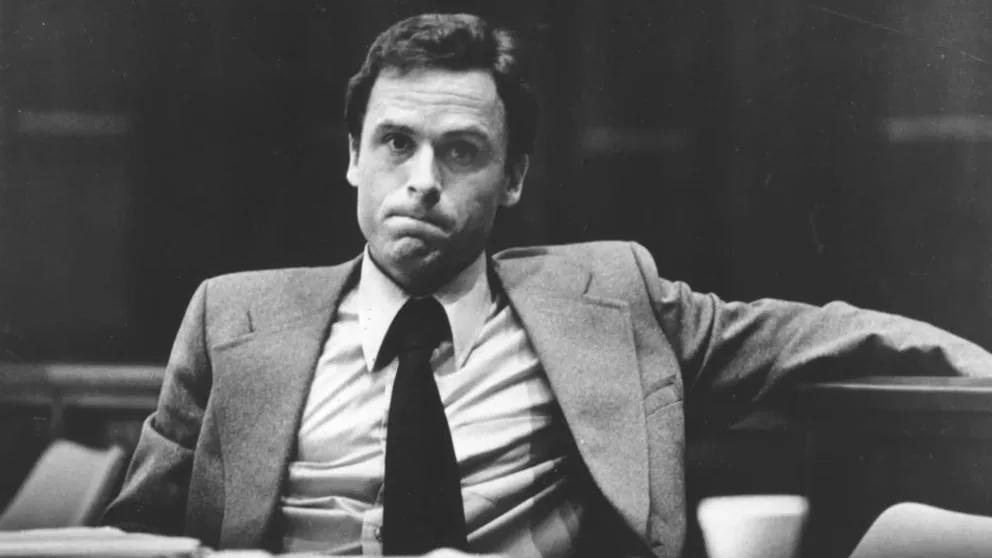
PARK CITY, UT — New DNA evidence has tied the 1972 killing of Melissa Ann Smith, the 17-year-old daughter of a Utah police chief, to Ted Bundy. Smith was found dead near Park City more than 50 years ago, and the new genetic link adds a major development to a case that had remained unresolved for decades.
The revelation connects one of Utah’s older and most disturbing homicide cases to a man already known for a long trail of violent crimes across the country. It also gives investigators and the victim’s family a clearer answer about who was responsible, even though the murder itself happened generations ago.
How the 17-year-old’s case stayed open for more than five decades
Melissa Ann Smith was the teenage daughter of a police chief, making her death especially painful for the community around Park City. Her body was found near the mountain town in 1972, and the killing has lingered in public memory as an unsolved case.
For years, the lack of a definitive forensic link meant the murder remained part of the long list of Cold War-era crimes that never fully reached a courtroom conclusion. The new DNA match changes that picture by attaching a name to the case through modern testing that was not available when investigators first examined the scene.
ABC News reported the development on October 27, 2026, describing the evidence as a link to Bundy in the death of the 17-year-old. The finding underscores how advances in forensic science can still reshape cases long after witnesses, evidence, and memories have faded.
Why Ted Bundy remains central to Utah crime history
Ted Bundy is among the most notorious serial killers in American history, and his name has remained tied to violent crimes in multiple states. A connection between Bundy and Smith’s death is significant because it places the Utah case within the broader pattern of killings for which he later became infamous.
The new DNA evidence adds another layer to Bundy’s legacy in the state, where his crimes have long been studied and remembered. It also gives Utah a more complete historical record of a case that had stood without a confirmed perpetrator for decades.
Even as the identification arrives years after the fact, it matters to the way law enforcement, historians, and the public understand the scope of Bundy’s crimes. The case now reads less like a mystery and more like a documented part of his violent history.
What the genetic match means for investigators and the family
A DNA link does not change the fact that Smith’s murder took place in 1972, but it does provide a stronger factual basis for identifying the killer. That can matter for investigators who have worked on the case over time, as well as for relatives who have lived with uncertainty for decades.
For families of victims, confirmations like this can bring a measure of closure even when no trial is possible. In a case this old, the evidence serves more as a historical and forensic answer than as the start of a new prosecution process.
The development also reflects how cold-case work can evolve as technology improves. Evidence that once could not be fully analyzed may later produce a result capable of resolving major unanswered questions about a death.
A reminder that cold cases can still move forward
The Smith case is a reminder that older homicide investigations can still produce new breakthroughs long after the original crime. In some cases, preserved evidence and modern DNA methods allow law enforcement to revisit files that were once effectively stalled.
Those advances can be especially important in cases that involve missing certainty about a suspect. A genetic match can narrow the field dramatically, turning a decades-old suspicion into a documented connection backed by science.
For communities, the result can reopen painful memories while also answering questions that have lasted for generations. In this case, the new evidence helps close one chapter of a Utah crime story that has remained open since the early 1970s.
What ABC News said about the October 2026 development
ABC News reported that the DNA evidence links Smith’s 1972 murder to Bundy and highlighted the significance of the case for Utah history. The outlet noted that Smith was found dead near Park City 52 years ago, and that the new finding connects her death to one of the nation’s most infamous killers.
The timing of the report shows that major forensic developments can surface decades after a homicide. Even without a new arrest or a fresh trial, the identification itself can be the decisive break in a case that once seemed impossible to solve.
That makes the Smith case both a criminal history update and a demonstration of how science can revise long-standing assumptions. For readers following Bundy-related cases, it is another example of a decades-old murder being clarified by modern evidence.