WASHINGTON, PA — Investigators have identified the man they believe killed 21-year-old Susan Rush in Washington County nearly 50 years ago, closing one of Pennsylvania’s long-running cold cases. The breakthrough came after DNA work on original crime scene evidence was completed this year and returned a profile pointing to James Richard Clark, Sr.
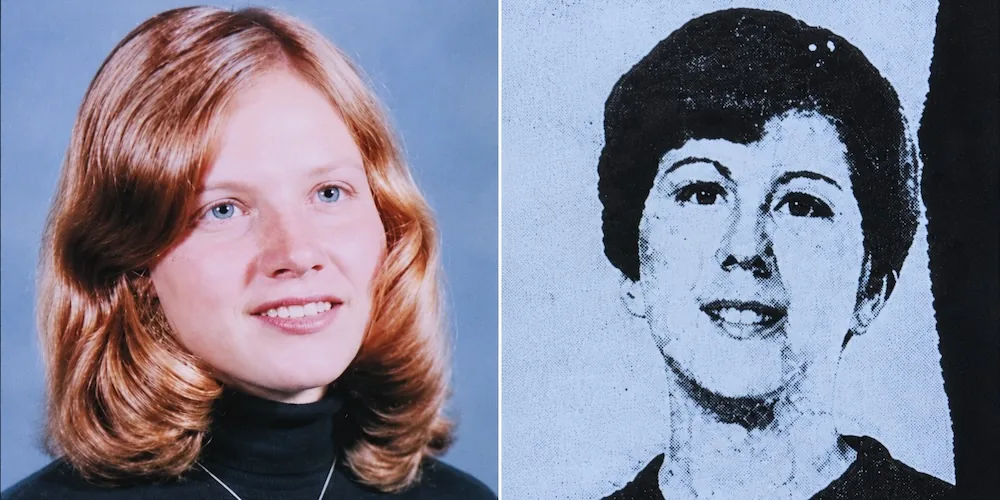
Rush disappeared on Nov. 24, 1976, after leaving her job at the G.C. Murphy store near the Washington Mall. She had planned to meet her family at church for a Thanksgiving Eve dinner and service, but she never made it there. Her body was found the next morning in the trunk of her locked car on North Avenue in the city of Washington.
An autopsy found that Rush had been sexually assaulted and strangled. Despite years of investigation and numerous leads, no suspect had been identified until the DNA work connected the case to Clark.
How detectives traced the case through old evidence
Othram said it received original crime scene evidence from the Rush case in August 2026. Scientists at the company’s laboratory in The Woodlands, Texas, developed DNA from that material and used Forensic-Grade Genome Sequencing to build a single nucleotide polymorphism profile from the unknown man’s DNA.
That profile was then given back to law enforcement. Investigators used Othram’s identity inference tools to narrow the search and determine that the DNA matched James Richard Clark, Sr., who was 19 at the time of the murder and lived in the Washington County area.
Clark later worked as a long-haul truck driver. He died of natural causes in 2023 at age 66, years before his name was linked to Rush’s death.
A murder in 1976 and a second killing in 1977
Authorities also say DNA evidence connected Clark to another homicide in the region. The second victim was 18-year-old Brenda Lee Ritter, who disappeared after leaving her boyfriend’s home in Chartiers Township on May 18, 1977.
Her abandoned car was found the next day, and her body was discovered on a nearby hillside in South Strabane Township. Investigators determined that Ritter, like Rush, had been sexually assaulted and strangled.
The link between the two cases suggests Clark may have been responsible for more than one killing in Washington County, though investigators have not said how many other cases may fit his pattern. The newly identified connection gives police a clearer picture of two murders that had remained unsolved for decades.
Rush’s disappearance began on the night before Thanksgiving
Rush was last seen on Nov. 24, 1976, after leaving work at the G.C. Murphy store near the Washington Mall. She had intended to join her family for a holiday meal and church service, making her disappearance especially alarming to relatives waiting for her that evening.
When she did not come home, her family reported her missing. The next morning, Rush’s brother found her car parked along North Avenue, about a quarter-mile from the store where she worked. The vehicle was locked, and her body was inside the trunk.
The discovery launched a murder investigation that lasted for decades. Although officers pursued multiple leads and examined several people of interest over the years, the killer remained unidentified until the DNA evidence was tested again in 2026.
Pennsylvania State Police are still reviewing possible additional links
The case against Clark is not being described as fully closed. Pennsylvania State Police are still examining whether he may be connected to additional crimes in the area.
That continuing review matters because the identified killings took place in the same county and within months of each other. Investigators now have a confirmed DNA link in two separate cases, which could help them recheck other unsolved deaths or disappearances from the period.
For Washington County families, the identification offers long-delayed answers, even though Clark himself cannot be prosecuted now that he is dead. The breakthrough also reflects the growing role of forensic genealogy in cases that once seemed beyond reach.
Another Pennsylvania cold case solved with Othram technology
This is the 18th publicly announced case in Pennsylvania in which investigators used Othram’s technology to identify a person. The company has become known for working with older evidence that can still yield usable genetic material even after decades in storage.
In this case, the testing turned an unidentified suspect into a named man with a documented history in the Washington County area. The result ties together evidence from two murders that had long puzzled detectives and families alike.
For investigators, the case shows how modern DNA methods can revive old evidence and produce leads that were not available when the crimes first occurred. For the community, it brings a measure of closure to deaths that had remained unanswered since the 1970s.