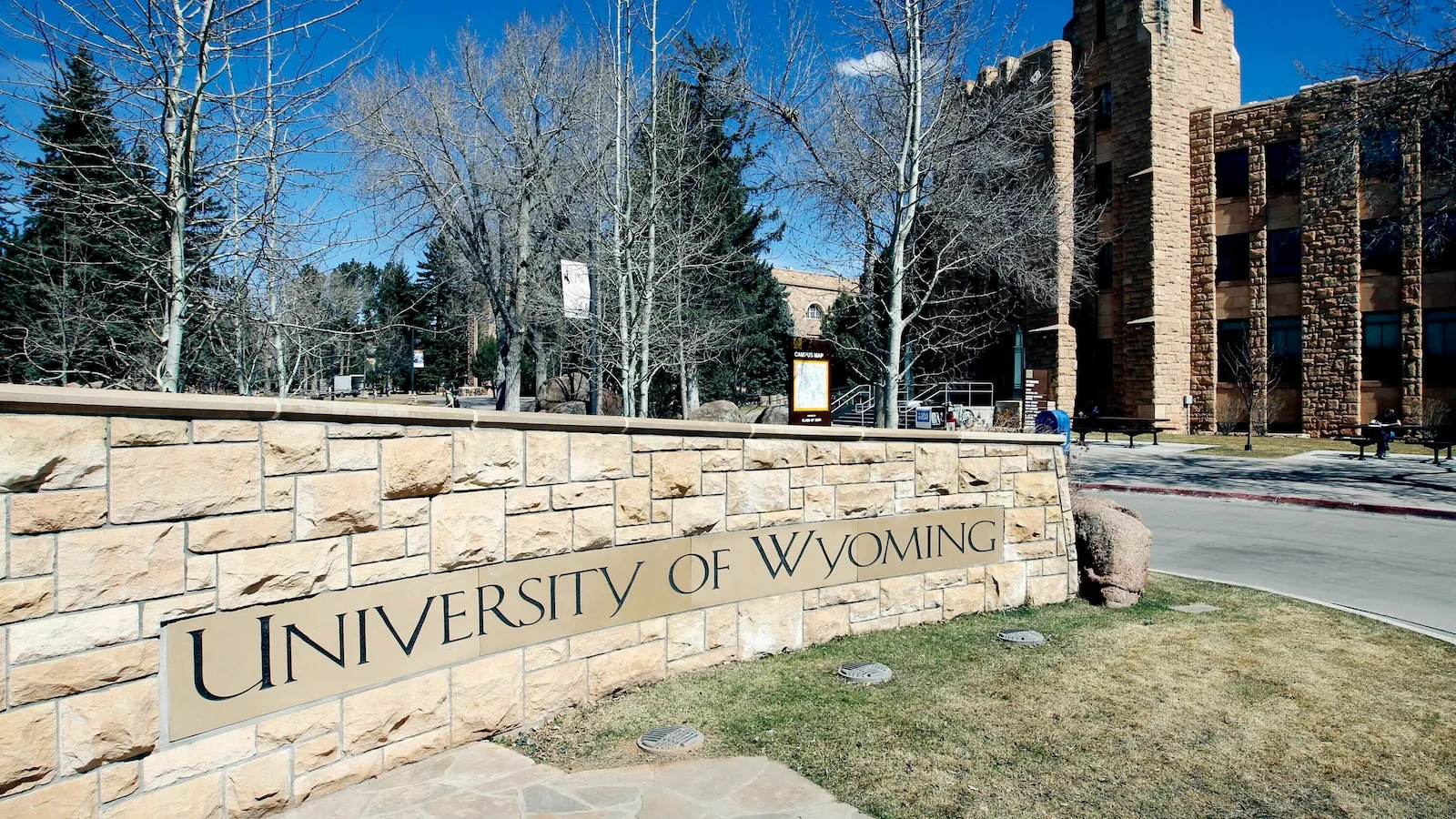
CHEYENNE, WY — A Wyoming microbiology graduate student is facing accusations that she poisoned a fellow student’s tea and then tried to leave the country after police began asking questions. Prosecutors say 32-year-old Aili Wang was arrested Oct. 6 at Los Angeles International Airport as she attempted to return to China.
Authorities also say Wang was carrying laptops, electronic storage devices and documents that are now in police custody. The case centers on a dispute involving another student who had pending patents and worked in related research.
Arrest at Los Angeles International Airport followed police questioning
According to prosecutors, Wang was taken into custody at the airport after investigators questioned her about the alleged poisoning. She has remained jailed without bail in Los Angeles while the case moves forward.
Police allege she was trying to flee the United States when she was arrested. Court documents listed no attorney for her, and attempts to reach her through email and LinkedIn messages were not successful.
The arrest came after investigators reportedly gathered evidence from surveillance video and property recovered during the airport stop. Authorities have not said publicly what additional charges may be filed beyond the poisoning allegations.
Investigators say the victim’s tea was tainted with acrylamide
Investigators allege Wang bought acrylamide on eBay and used it to poison the tea of a fellow student. The chemical was first detected after the alleged victim’s wife and other people tested water from the coffee maker he used to make tea.
Authorities say the victim had pending patents, and Wang did not get along with him. The allegations point to a personal and professional conflict between the two students inside a research environment.
Police have not described the exact medical effects on the victim in the information made public so far. The focus of the case has remained on the suspected chemical contamination and the way it was discovered.
Surveillance video and seized devices are part of the case
Prosecutors say surveillance video showed Wang rummaging through the victim’s desk. They allege she was looking through material connected to research similar to the work she had done in China.
The items taken at the airport included laptops, electronic storage devices and documents. Investigators say those materials are now being reviewed by police as part of the case.
Those allegations have added a digital and documentary trail to the case, in addition to the suspected chemical poisoning. Prosecutors appear to be treating the airport arrest as part of a broader effort to preserve evidence before Wang could leave the country.
The case comes amid long-running U.S. concerns about university research theft
The accusation has drawn attention because U.S. officials have spent years accusing China of stealing intellectual property from American universities. This case has not been described as part of any broader espionage investigation, but it lands in that context.
Wang is described in court materials as a Wyoming microbiology graduate student from China. The victim was said to specialize in research similar to Wang’s earlier work in China, which prosecutors say made the dispute especially sensitive.
Even so, the case remains centered on a criminal complaint involving a suspected poisoning, not on any public finding about intellectual property theft. Officials have not said the pending patents were taken or misused.
What is known so far about Wang’s detention and the open questions
Wang remained jailed without bail in Los Angeles as of Tuesday. No lawyer was listed for her in court records, and authorities have not publicly outlined the full timeline of events leading up to the airport arrest.
Questions remain about the condition of the alleged victim, the extent of any chemical exposure and what investigators found on the seized electronics. Prosecutors have also not said whether additional defendants or charges are expected.
For now, the case is built around a narrow set of facts: a graduate student accused of poisoning a colleague’s tea, surveillance suggesting she searched the victim’s desk, and an arrest at the airport as she allegedly tried to leave for China.